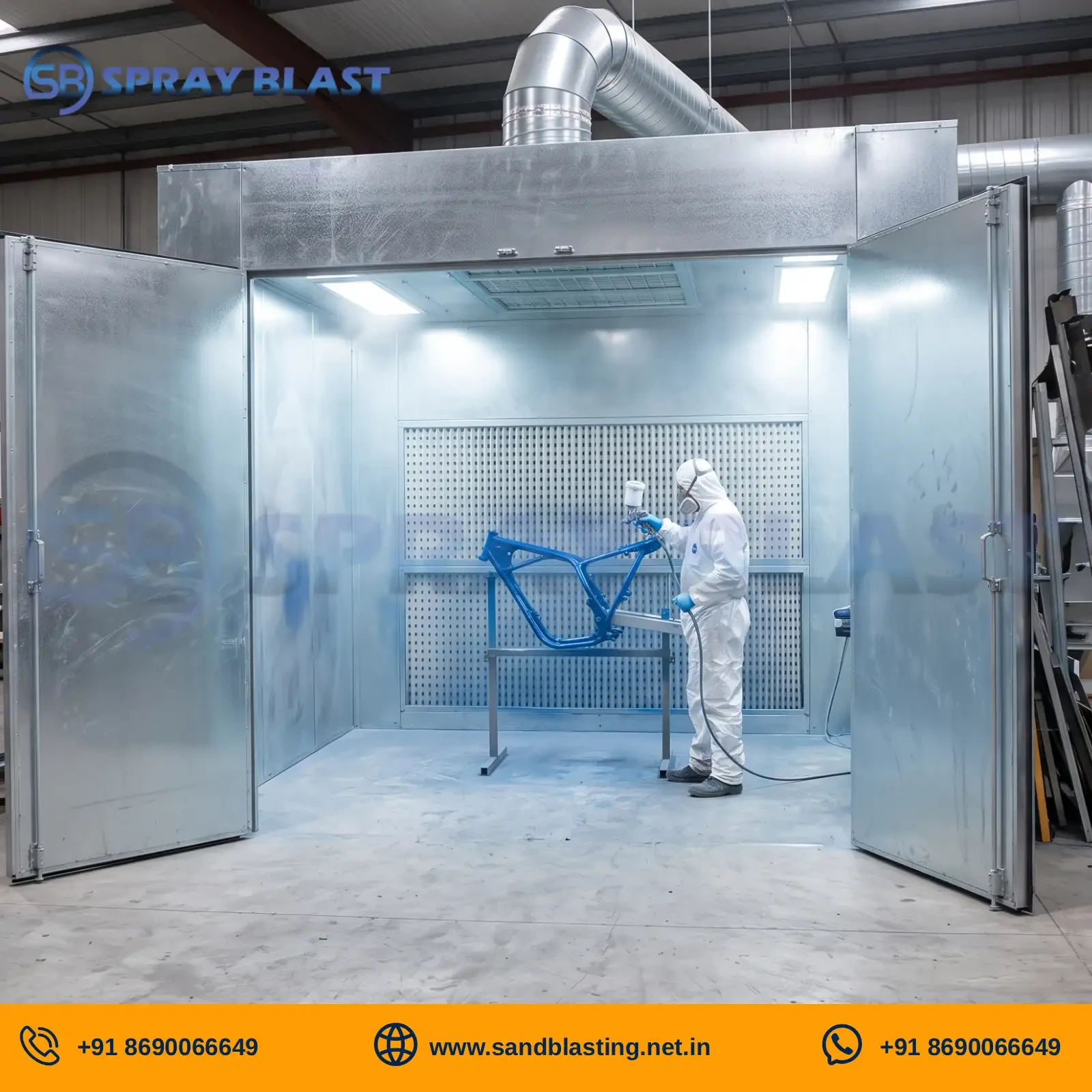
Small Component Cleaning
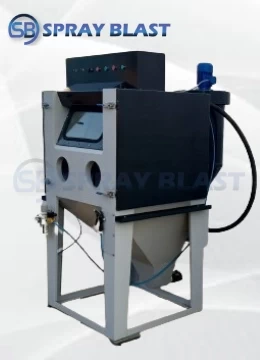
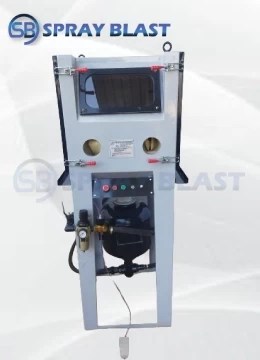
Suction Blasting Cabinet blasts parts that fit the grate and gloves.
EnquireSand Blasting Cabinet
Suction Blasting Cabinet for industrial blasting, surface preparation, fabrication, foundry, coating, and workshop requirements.
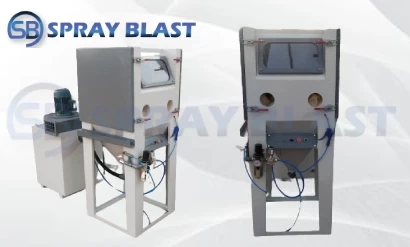
Browse full product photos, component close-ups, and application views.
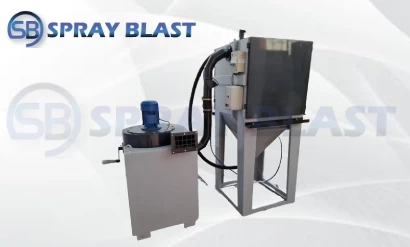
Review the key product specifications used for quotation and application planning.
Watch how the machine performs in real blasting and surface preparation conditions.
The sequence below shows how Suction Blasting Cabinet operates, from setup through to the working result.
The workpiece is set inside Suction Blasting Cabinet and the gloves are used to hold it.
Gun airflow induces abrasive up the suction hose from the hopper.
The mix hits the part through the nozzle for cleaning or profiling.
Cabinet extraction pulls fines to the dust collector.
Used abrasive falls back to the hopper for another cycle.
The door is opened only after dust settles and the finish is checked.
A suction blasting cabinet is a type of sand blasting cabinet that uses negative pressure to draw abrasive media into a Sand blasting nozzle, where it is propelled onto a workpiece. The suction blasting process involves using a suction gun, which is connected to the cabinet by a hose. The gun draws the abrasive media into the gun through a venturi effect created by compressed air.
Suction blasting cabinets are commonly used for smaller applications, such as surface preparation of parts, cleaning and deburring, and etching. They are also ideal for use with lighter abrasive media such as glass bead, plastic, or walnut shells.
Suction Sand blaster cabinet works by sucking media from a hopper using the venture principle. The air jet is half the diameter of the nozzle, and as the air stream passes through both, a low pressure is created, sucking the media from the hopper into the air stream. The media acceleration distance is quite small (about 4 to 14" from the nozzle to the workpiece). The suction systems function properly and can blast continually as long as there are blasting media in the sand blasting hopper.
Suction Sand blaster systems do not deliver media well at low air pressures (5 to 25 psi), and the length of the suction feed pipe is limited. Suction blasting cannot transfer very heavy blasting (bigger steel media) into the air stream. Most industrial blast cabinets are suction systems that perform effectively with a wide range of media.
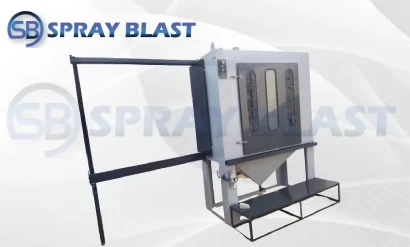
The operation of a suction blasting cabinet is relatively straightforward. Here is a general overview of how it works:
Some of the key features of suction blasting cabinets include:
Overall, suction blasting cabinets are a simple and effective way to perform sandblasting operations on small workpieces. They are a popular choice for hobbyists, small businesses, and industrial applications where larger blasting cabinets are not required.
Compare Suction Blasting Cabinet with other models in Sand Blasting Cabinet.
| Specification | Wet Blasting Cabinet | This model Suction Blasting Cabinet | Pressure Blasting Cabinet |
|---|---|---|---|
| Product | Wet Blasting Cabinet | Suction Blasting Cabinet | Pressure blasting cabinet |
| Storage Capacity | 28 - 42 Lit. | 28 - 42 Lit. | 28 - 42 Lit. |
| Slurry Pump Motor | 1 HP | — | — |
| Req. Compressed air (80 psi) | 25 CFM | 17 - 20 CFM | 55 CFM |
| Cleaning Rate | 4 - 15 Sq. Mtr./Hr. | 4 - 15 Sq. Mtr./Hr. | 4 - 20 Sq. Mtr./Hr |
| Nozzle | Tungsten / Boron Carbide | Tungsten / Boron Carbide | Tungsten / Boron Carbide |
| Nozzle Size | 5 - 12 mm | 6 mm | 5 - 8 mm |
| Material | Mild Steel | Mild Steel | Mild Steel |
| Recommended Abrasive Size | 100 Mesh to 700 Mesh | — | — |
| Color | As per client requirement | As per client requirement | As per client requirement |
| Country | India | India | India |
| Brand | Spray Blast | Spray Blast | Spray Blast |
| Delivery Time | 1-2 Weeks | 1-2 Weeks | 1-2 Weeks |
| Production Capacity | 4-5 | 4-5 | 4-5 |
| Packaging Details | Polly Pack With Bubble Packing | Polly Pack With Bubble Packing | Polly Pack With Bubble Packing |
| Transport Type | Land / Sea / Air Transport | Land / Sea / Air Transport | Land / Sea / Air Transport |
| Price Range | Rs 1.50 Lakhs - 4.50 Lakhs | Rs 70 K -3.5 Lakh | Rs 1.20 Lakh - 5 Lakh |
| Dust Collector | — | Fabric Bag / Pleated Filter Type | Fabric Bag / Pleated Filter Type |
| Cabinet Type | — | — | Pressure Blasting |
Typical applications for Suction Blasting Cabinet across industrial blasting, coating, and surface preparation work.
Suction Blasting Cabinet blasts parts that fit the grate and gloves.
EnquireClosed-cabinet blasting removes coatings without an open site.
EnquireLocal areas are profiled before coating.
EnquireOperators process batches with reclaiming abrasive.
EnquireLight blast removes burrs on machined parts.
EnquirePrecision parts are masked then blasted in the cabinet.
EnquireR&D parts are finished without a full blast room.
EnquirePumps, valves, and tools are cleaned before inspection.
EnquireAnswer a few questions and we will suggest a starting configuration for Suction Blasting Cabinet — then confirm the exact specification with our team.
Typical workpiece size?
Preferred blasting process?
Abrasive you plan to use?
Workshop usage?
Dust collection needed?
Clear answers on specification, usage, and what to expect before you request a quote.
Tell us the application, quantity, and delivery need for Suction Blasting Cabinet.
Tell us the product, application, quantity, or repeat supply requirement for steel shot, steel grit, garnet abrasive, glass beads, or related blasting media.