Corrosion Coatings
Thermal spray wire is sprayed to protect steel structures and vessels.
EnquireWire
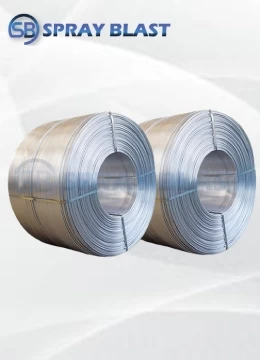
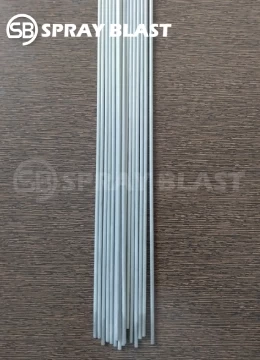
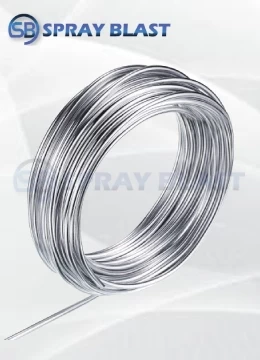
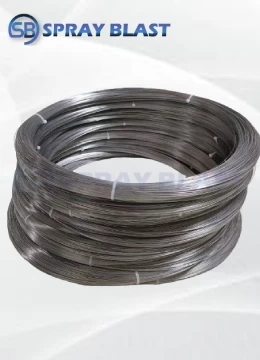
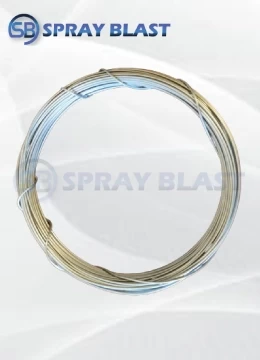
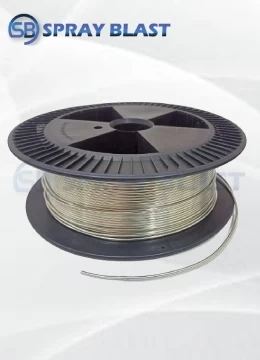
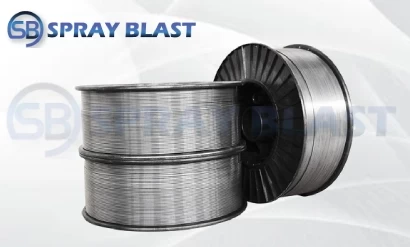
Thermal spray wire is a type of material used in thermal spray coating processes. It is a thin wire made of a variety of materials such as metals, alloys, ceramics, and polymers. During thermal spray coating, the wire is fed into a thermal spray gun where it is melted or heated to a molten state.

Browse full product photos, component close-ups, and application views.
Review the key product specifications used for quotation and application planning.
Watch how the machine performs in real blasting and surface preparation conditions.
Thermal spray wire is a type of material used in thermal spray coating processes. It is a thin wire made of a variety of materials such as metals, alloys, ceramics, and polymers. During thermal spray coating, the wire is fed into a thermal spray gun where it is melted or heated to a molten state.
Thermal spray wire is matched to the coating chemistry the job requires.
Wire is fed through the flame or arc spray gun drive rolls.
Flame or electric arc melts the wire as it reaches the nozzle.
Compressed air sprays molten droplets onto the prepared substrate.
Passes overlap until the specified coating thickness is reached.
Bond, texture, and thickness are checked before the part ships.
Thermal spray wire is a type of material used in thermal spray coating processes. It is a thin wire made of a variety of materials such as metals, alloys, ceramics, and polymers. During thermal spray coating, the wire is fed into a thermal spray gun where it is melted or heated to a molten state. The molten material is then sprayed onto a surface, where it solidifies and forms a coating.
Spray Blast provides and stocks a wide range of thermal spray wires. We have everything it takes to handle your arc spray wire applications, from traditional metals and metal alloys to complicated cored wire compositions. We are proud of our part in the development and growth of the arc spray gun process, and we continue to develop and optimize thermal spray wires of all types - solid or cored, soft or hard - to help you take full advantage of the great value that arc spray brings.
Arc spray wires are tested and studied to ensure that they have the correct tensile strength, hardness, and surface finish qualities for thermal spraying, ensuring that you get it right the first time. Spray Blast wires are designed and built specifically for thermal spray. Tight requirements and production controls ensure that each wire has a precise metallurgical composition and is free of defects such as slivers or impurities.
The use of thermal spray wire is advantageous because it allows for precise control over the coating thickness and the composition of the coating material. It is also a cost-effective method of applying coatings to large or irregularly shaped surfaces.
Thermal spray wire is used in a variety of applications, including in the aerospace industry for coating turbine blades, in the automotive industry for coating engine components, and in the oil and gas industry for coating pipelines and other equipment exposed to harsh environments.
Some of the common thermal spray materials we offer include:
There are several types of thermal spray wire that are used for different applications. Here are some common types of thermal spray wire:
The selection of thermal spray wire depends on the application requirements and the properties needed in the coating.
Thermal spray wires are carefully selected to have the appropriate physical features for thermal spraying, such as:
Spray Blast is one of the Leading Thermal spray wire manufacturers & suppliers of aluminum oxide, copper wire, molybdenum wire, zinc wire, Alloy 625 Wires, metalizing wire, etc. Thermal spray wire price depends on the type, quality, and quantity of thermal spray wire. Our thermal spray wire price is low compared to others.
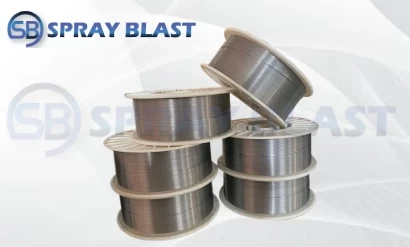
Compare Thermal spray wire with other models in Wire.
| Specification | Metalizing Wire | This model Thermal spray wire | Alloy 625 Wires |
|---|---|---|---|
| Material | Zinc, Aluminium | Thermal Spray Wire | — |
| Diameter | 6.00 mm To dia 1.20 mm. | — | 10 mm To 100 mm |
| Weight | 44lbs (20kgs) 450lbs (204kgs) | — | — |
| Packaging Size | 1/16"(1.6mm) (2mm) 3/32"(2.3mm) 1/8"(3.2mm) 3/16"(4.8mm) | — | — |
| Brand | Spray Blast | Spray Blast | Spray Blast |
| Country | India | India | India |
| Packaging | Spool Drum | — | — |
| Color | Silver | Silver | — |
| Delivery Time | 5-7 Days | — | 1 Weeks |
| Transport Type | Land / Sea / Air Transport | Land / Sea / Air Transport | — |
| Price Range | Rs 350 - 7900 /kg | Rs 350 - 7900 /kg | Rs 200 - 350 /kg |
| Size | — | 3.15 MM | — |
| Density | — | 4.97 gm/cm3 | 8.4 g/cm3 |
| Melting Point | — | 800 C | 1.350 °C (2460 °F) |
| Metals | — | Stainless Steel, copper, zinc, Aluminium, Nickel, Inconel | — |
| Application | — | Industries uses | — |
| Packaging Type | — | Spool | — |
| Minimum Order Quantity | — | 100 Sq ft | 40 Kg |
| Tensile Strength | — | — | Psi – 1,35,000 , MPa – 930 |
| Production Capacity | — | — | 10 Tons |
Typical applications for Thermal spray wire across industrial blasting, coating, and surface preparation work.
Thermal spray wire is sprayed to protect steel structures and vessels.
EnquireWorn shafts or housings are built up with sprayed alloy.
EnquireA sprayed layer keys later ceramic or carbide coats.
EnquireProduction parts receive a consistent sprayed metal film.
EnquireField metallizing restores large steel assets.
EnquireSelected wires are used where sparking risk must stay low.
EnquireBabbitt and similar alloys rebuild white-metal surfaces.
EnquireNickel or molybdenum wires coat parts that see heat.
EnquireAnswer a few questions and we will suggest a starting configuration for Thermal spray wire — then confirm the exact specification with our team.
Clear answers on specification, usage, and what to expect before you request a quote.
Tell us the application, quantity, and delivery need for Thermal spray wire.
Tell us the product, application, quantity, or repeat supply requirement for steel shot, steel grit, garnet abrasive, glass beads, or related blasting media.