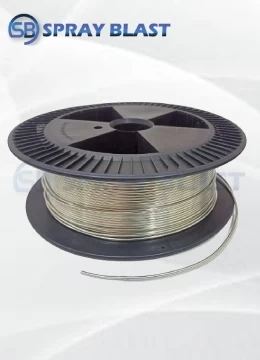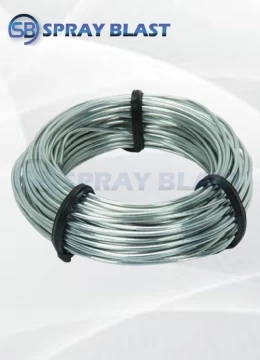
Corrosion Coatings
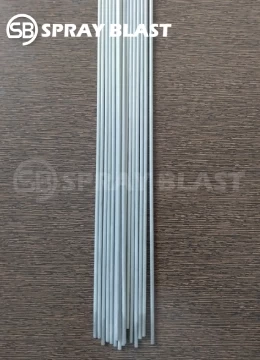
Metalizing Wire is sprayed to protect steel structures and vessels.
EnquireWire
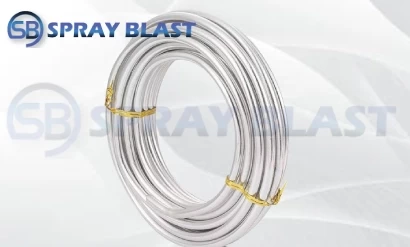
Metalizing wire is a type of wire used in the metalizing process, which is a thermal spray process used to apply a metallic coating to various surfaces. Metalizing wire is typically made of a material such as aluminum, zinc, or copper, and is fed through a metalizing gun, which uses heat to melt the
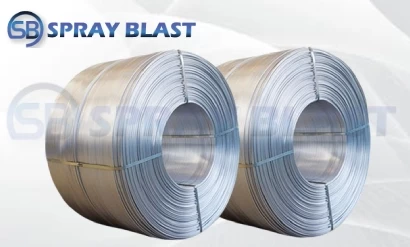
Browse full product photos, component close-ups, and application views.
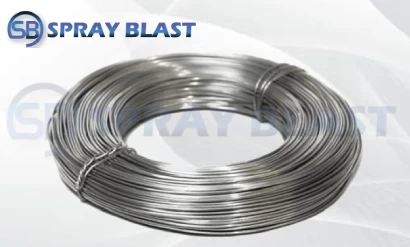
Review the key product specifications used for quotation and application planning.
Watch how the machine performs in real blasting and surface preparation conditions.
Metalizing wire is a type of wire used in the metalizing process, which is a thermal spray process used to apply a metallic coating to various surfaces. Metalizing wire is typically made of a material such as aluminum, zinc, or copper, and is fed through a metalizing gun, which uses heat to melt the
Metalizing Wire is matched to the coating chemistry the job requires.
Wire is fed through the flame or arc spray gun drive rolls.
Flame or electric arc melts the wire as it reaches the nozzle.
Compressed air sprays molten droplets onto the prepared substrate.
Passes overlap until the specified coating thickness is reached.
Bond, texture, and thickness are checked before the part ships.
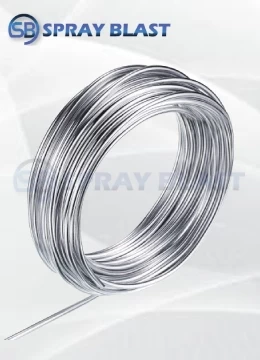
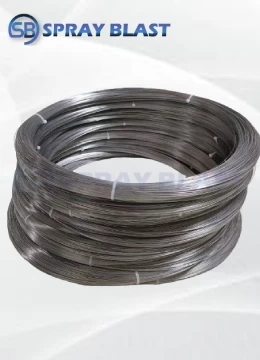
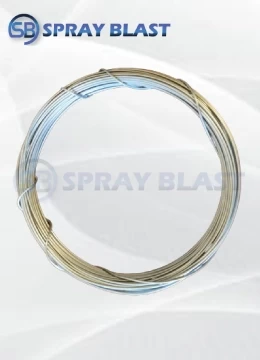
Metalizing wire is a type of wire used in the metalizing process, which is a thermal spray process used to apply a metallic coating to various surfaces. Metalizing wire is typically made of a material such as aluminum, zinc, or copper, and is fed through a metalizing gun, which uses heat to melt the wire and spray it onto the surface to be coated.
The metalizing process is used in a variety of applications, including corrosion protection, wear resistance, and thermal insulation. The coating applied by metalizing can be thin or thick, depending on the specific application and the requirements of the coating.
Metalizing wire can be produced in different diameters and shapes, depending on the intended use. It is important to choose the appropriate wire diameter and feed rate to achieve the desired coating thickness and uniformity. The quality of the wire and its feed rate can also affect the final coating quality, so it is important to use high-quality wire and maintain proper gun settings and operating conditions.
The metalizing wire is contained within the thermal spray gun used for coating. By coating, the substrate is given a one-of-a-kind approach. Thermal spraying can be used to extend the life of the substrate and prevent corrosion in even the most difficult situations. The choice of metalizing wire within the thermal spray is fully dictated by the usability of the substrate on which the coating is to be placed. Metalizing wires are utilized in both their natural and alloyed forms.
Zinc Metalizing Wire is an excellent corrosion-prevention material in both atmospheric and marine conditions. When used in conjunction with electric arc spray guns and combustion, zinc spray guns, wire flame spray guns, arc spray guns, and zinc metalizing wire coating act as sacrificial anodes, galvanically protecting alloy or steel substrates. Long-term field testing with these zinc coatings has simply revealed that they are far stronger and more durable than warm-dip galvanizing.
During the coating process, aluminum metalizing wire is pulled to various diameters for use in an arc spray gun and a flame spray gun machine. It has advantages such as resistance to corrosion, chemicals, and the environment. Aluminum wires are effective electrical conductors. The oxide film that forms on the coating of aluminum wire tends to protect it from further attack.
Compare Metalizing Wire with other models in Wire.
| Specification | Alloy 625 Wires | This model Metalizing Wire | Aluminum Wire |
|---|---|---|---|
| Density | 8.4 g/cm3 | — | — |
| Melting Point | 1.350 °C (2460 °F) | — | — |
| Tensile Strength | Psi – 1,35,000 , MPa – 930 | — | 82 -115 Mpa |
| Diameter | 10 mm To 100 mm | 6.00 mm To dia 1.20 mm. | 3.15 mm |
| Brand | Spray Blast | Spray Blast | Spray Blast |
| Country | India | India | India |
| Minimum Order Quantity | 40 Kg | — | — |
| Delivery Time | 1 Weeks | 5-7 Days | 1-2 Weeks |
| Production Capacity | 10 Tons | — | 2-3 Tons Daily |
| Price Range | Rs 200 - 350 /kg | Rs 350 - 7900 /kg | Rs 340/KG - 490/KG |
| Material | — | Zinc, Aluminium | Aluminum |
| Weight | — | 44lbs (20kgs) 450lbs (204kgs) | — |
| Packaging Size | — | 1/16"(1.6mm) (2mm) 3/32"(2.3mm) 1/8"(3.2mm) 3/16"(4.8mm) | — |
| Packaging | — | Spool Drum | — |
| Color | — | Silver | — |
| Transport Type | — | Land / Sea / Air Transport | — |
| From | — | — | Wire |
| Wire Rod Thickness | — | — | From 8mm up to 20mm |
| Purity | — | — | 99.98 % |
| max. Resistivity | — | — | 0.028035 Ohm mm2/m |
| Conductivity(min) | — | — | 61.50 %IACS |
| Density at 20oC | — | — | 2705 Kg/m3 |
| Packaging Details | — | — | Carton, Bobbins |
| Nominal Cross Section Area | — | — | 0.5-150 mm2 |
| Resistance of Conductor | — | — | 0.254-52 ohm/km |
| Length | — | — | 6 - 12 m |
Typical applications for Metalizing Wire across industrial blasting, coating, and surface preparation work.
Metalizing Wire is sprayed to protect steel structures and vessels.
EnquireWorn shafts or housings are built up with sprayed alloy.
EnquireA sprayed layer keys later ceramic or carbide coats.
EnquireProduction parts receive a consistent sprayed metal film.
EnquireField metallizing restores large steel assets.
EnquireSelected wires are used where sparking risk must stay low.
EnquireBabbitt and similar alloys rebuild white-metal surfaces.
EnquireNickel or molybdenum wires coat parts that see heat.
EnquireAnswer a few questions and we will suggest a starting configuration for Metalizing Wire — then confirm the exact specification with our team.
Clear answers on specification, usage, and what to expect before you request a quote.
Tell us the application, quantity, and delivery need for Metalizing Wire.
Tell us the product, application, quantity, or repeat supply requirement for steel shot, steel grit, garnet abrasive, glass beads, or related blasting media.